Get In Touch
Phone
+34 613182674
Regional anaesthesia involves temporarily blocking sensation in a larger, defined area of the body by targeting specific nerves or nerve branches. Unlike local anaesthesia, which numbs only a small spot, regional techniques can cover entire regions such as the lower face, jaw, or parts of the neck and abdomen, providing excellent comfort for more complex or sensitive procedures.
Field blocks and peripheral nerve blocks are commonly used in aesthetic and minor surgical procedures to ensure that interventions are virtually pain-free. For example, in facial aesthetics, branches of the maxillary, mandibular, or occipital nerves can be targeted to treat isolated areas or clusters of lesions. In abdominal or cervical procedures, transversus abdominis plane (TAP) blocks or cervical plexus blocks can provide profound localised anaesthesia for the duration of the intervention.
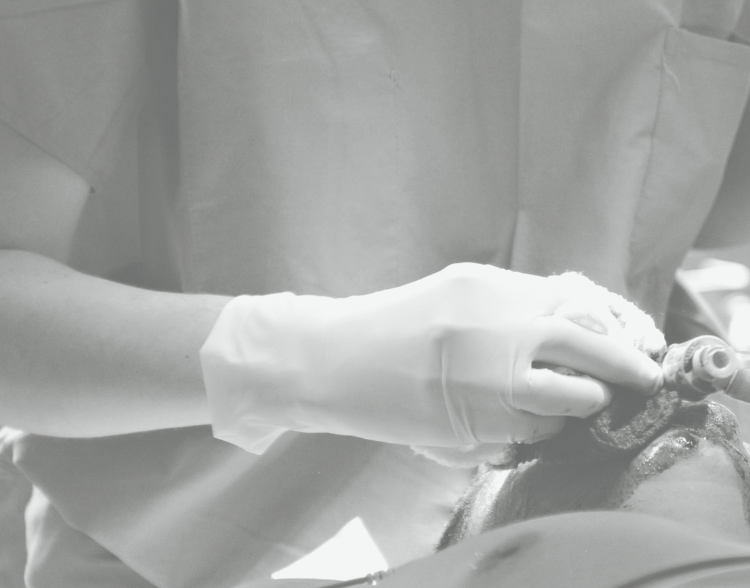
The procedure is performed by a qualified anaesthetist, who carefully identifies the relevant anatomical landmarks and administers a precise dose of anaesthetic to block nerve conduction. Onset of anaesthesia is usually rapid, and the duration can be adjusted according to the requirements of the procedure.
Regional anaesthesia allows patients to remain fully conscious while ensuring that larger or more sensitive areas are insensible to pain. Because these techniques require detailed anatomical knowledge and careful monitoring, they should only be performed by a trained anaesthetist. This ensures maximum safety and effectiveness throughout the procedure.
In Spain, regional anaesthetic techniques are legally restricted to qualified physicians, typically specialists in anaesthesiology. When correctly performed, they allow a wide range of aesthetic and minor surgical procedures to be carried out safely, comfortably, and efficiently.
Phone
+34 613182674